


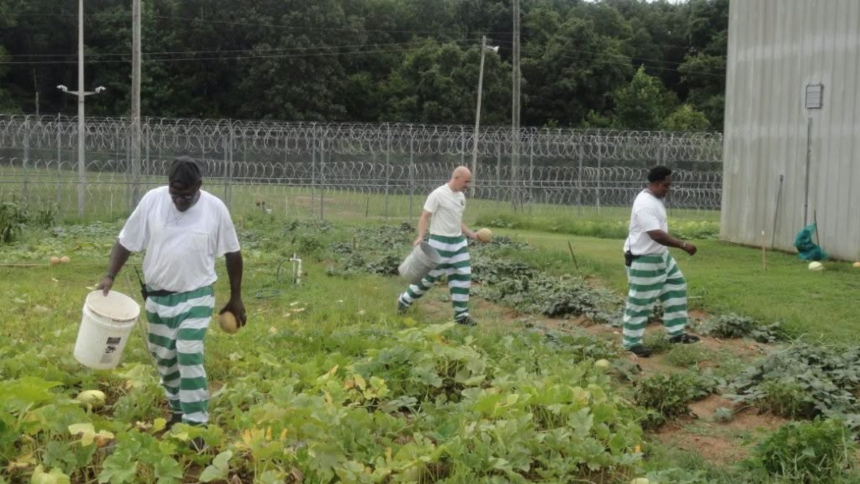
Inmates across the state are gaining valuable experience cultivating crops through the Mississippi Department of Corrections garden program.
Over 40 varieties of crops are being planted and harvested by Mississippi inmates to provide them with fresh meals and skills to carry into the real world. Various fruits and vegetables are going straight from the gardens to the facilities’ kitchens. Crops inmates are planting and harvesting include tomatoes, peppers, cucumbers, squash, zucchini, sweet corn, okra, peas, watermelons, pumpkins, eggplant, blueberries, and a variety of herbs.

The crops inmates bring in are also used for a range of purposes beyond the kitchen, such as incentive meal programs and cold storage.
“These gardens are producing more than fresh food,” MDOC Commissioner Burl Cain said. “They’re helping supply our facilities with homegrown fruits and vegetables while giving participants practical skills they can use to provide for themselves and their families long after they leave MDOC.”
The Mississippi State Penitentiary notably harvested around 1,600 pounds of squash, and they expect similar success later in the summer with corn, watermelons, and even cantaloupes. The Central Mississippi Correction Facility boasts 19 garden plots and an outdoor classroom where inmates can learn about agriculture and horticulture, as well as have access to a greenhouse. Another notable accomplishment is at the South Mississippi Correctional Institute, which has harvested a whopping 19,900 pounds of blueberries for use at no additional cost to the institute.
“By combining hands-on agricultural training with food production, MDOC’s garden program continues to benefit both the participating inmates and the department,” MDOC said in a press release.
“Participants gain experience in every stage of the growing process, from preparing the soil and planting seeds to maintaining and harvesting crops while developing practical skills in agriculture and horticulture,” the release continued. “This knowledge can lead to future employment opportunities, home gardening, and greater self-sufficiency after release.”