



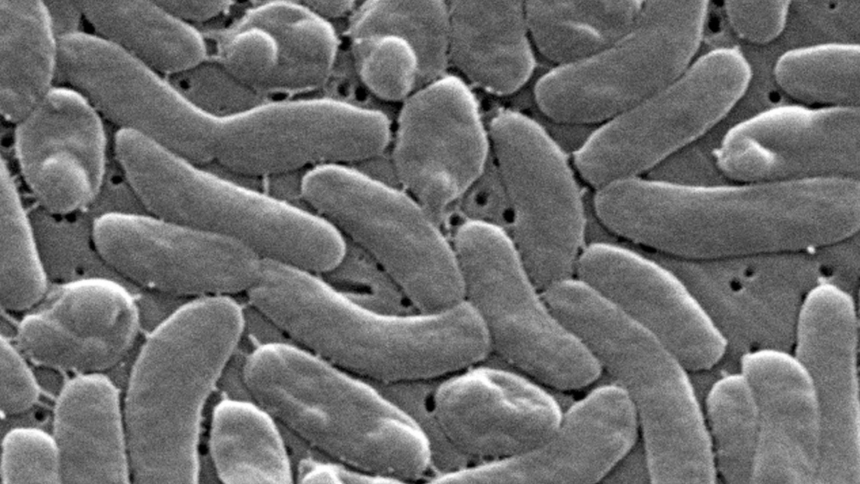
Mississippi State Department of Health officials are urging caution on the Gulf Coast after three cases of a “flesh-eating” bacterium have been reported.
Vibrio vulnificus, commonly referred to as a “flesh-eating” bacterium, causes illness when it enters an open wound in salt or brackish water – a mix of salt and fresh water. It can also be contracted from eating contaminated seafood.

“The MSDH is reminding residents and visitors to be on guard to protect themselves from Vibrio bacteria, which live in warm coastal waters and can cause illness when exposed to an open wound or when a person eats contaminated seafood, especially raw oysters,” the health department said in a release. “The bacteria are most prevalent in May through October, when water temperatures are warmer.”
This time last year, according to the MSDH, there were 40 cases of Vibrio and five of the deadly Vibrio vulnificus bacteria compared to 29 Vibrio and three Vibrio vulnificus cases as of Aug. 12, 2026.
According to the Centers for Disease Control and Prevention, Vibrio vulnificus is the most deadly type of Vibrio bacterial infection, as one in five cases leads to death, often within a few days of becoming ill.
Symptoms of the “flesh-eating” bacteria include diarrhea, stomach cramps, nausea, vomiting, fever, and chills, according to the CDC. The CDC urges beachgoers who notice a wound exposed to salt or brackish water that becomes dark red and begins to blister to seek medical help immediately.
Individuals who are more susceptible to the bacteria are people with liver disease, cancer, diabetes, HIV, or thalassemia – a blood disorder that causes the body to have less of the protein hemoglobin. Additionally, people who receive immune-suppressing therapy to treat a disease, or anyone that takes medicine to decrease stomach acid or has had recent stomach surgery are more prone to contracting the bacteria.
MSDH recommends residents take the following precautions to help prevent illness:
- Stay out of brackish or salt water if you have a wound (including cuts, scrapes, recent piercings, tattoos, and recent surgical incisions) or cover your wound with a waterproof bandage if there’s a possibility it could come into contact with brackish or salt water, raw seafood or raw seafood juices.
- Wash wounds and cuts thoroughly with soap and water if they have been exposed to coastal waters or raw seafood or its juices.
- If you develop a skin infection, tell your medical provider if your skin has come into contact with brackish or salt water, raw seafood, or raw seafood juices.
- Don’t eat raw or undercooked oysters or other shellfish. Cook them before eating.
- Always wash your hands with soap and water after handing raw shellfish.
- Avoid contaminating cooked shellfish with raw shellfish and its juices.
Mississippi is not the only Gulf state reporting cases of the flesh-eating bacteria. Louisiana and Florida have been hit by Vibrio vulnificus as well. Lousiana health officials have confirmed nine cases of the infection and five deaths from the deadly bacteria, and Florida has reported 14 cases with two deaths so far this year.
The Associated Press contributed to this report.