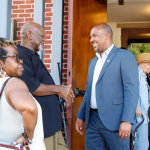



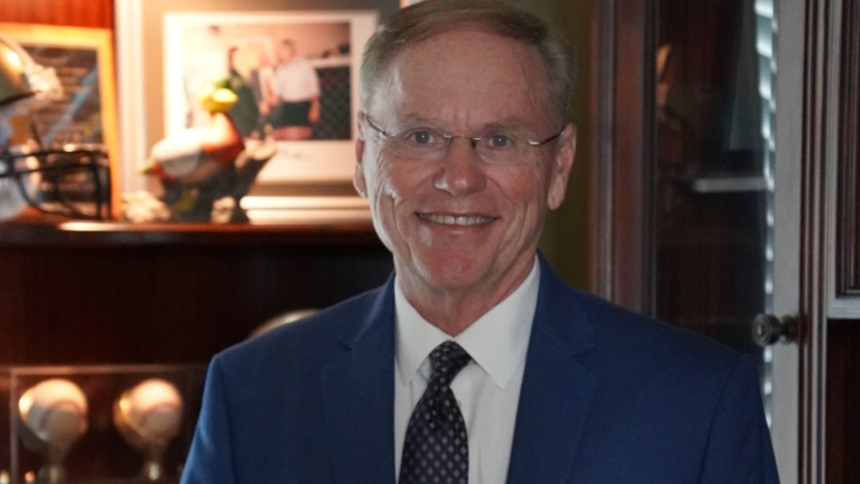
Stephen “Mac” McCraney, executive director of the Mississippi Emergency Management Agency, came on my show to talk about Fall Severe Weather Preparedness Week, the recent near-miss with Hurricane Isaias, and the Great ShakeOut earthquake drill. The conversation turned quickly to the work that happens after every disaster.
Mac has the background for the job. Retired lieutenant colonel in the Mississippi Army and Air National Guard. Hurricane Katrina responder with the 47th Civil Support Team, and years of disasters at MEMA, including projects still open from Katrina in places like Biloxi.

Before he took the MEMA role, someone asked him why he was leaving another job. He said: “I have to go meet someone. And someone has to meet me, so everywhere you go, there is a transfer of your energy, or you take something from someone else and give them peace.”
He described the work that comes on people’s worst days. “A hurricane may come to the state, and if it destroys just one house, that is a disaster for that house and for those people, and you should prepare yourself to go there and be ready to provide any information or guide them to accomplish something or coordinate it.”
“Roads and bridges get you somewhere,” Mac said. “Individual assistance is different.”
After recent storms, MEMA’s team worked house by house. In one case in northern Mississippi, hundreds of homes still lacked power because storm coverings had come loose and damaged wiring from the distribution panel. MEMA extended the state of emergency so electricians from the Eight Days of Hope organization could be recognized and reinstall heaters at no cost. Mac called those “just small victories that feed your soul. This is what you do when you deal with people, not necessarily just things.”
He talked about what he sees in the immediate aftermath. People stand looking at the wreckage with a wandering gaze: “They’re like they’re in another world; you talk to them, but they’re not present. You can grab them by the shoulders and lead them and they will follow you because they simply don’t know what to do. They only look at the wreckage. Their whole lives have been turned upside down and they really don’t know what to do next.”
Churches, the Southern Baptist Convention, and private companies step in to help. MEMA has set up a business emergency operations center where groups including Lowe’s, Home Depot, and Walmart look at the same requests and fill gaps with water, food, hot meals, or other supplies.
Sometimes a survivor needs two or three visits to a relief center before they can walk through the door. Recovery is not only government’s job. Mac said it is everyone’s.
Preparedness still matters. He urges us to review our family plans, update our supply kits, make sure we have more than one way to receive warnings, and know a safe place before a short-notice event hits, especially at night. Fall is Mississippi’s secondary severe weather season. Tornadoes, flash flooding, and strong storms can develop quickly between now and the end of the year. The Great ShakeOut earthquake drill is another reminder that the hazards we face are not always the ones we expect.
Responders from organizations like MEMA have to show up on the worst days. And someone has to be met. The practical steps we take now make that meeting possible.
The views expressed by contributors are their own and not the views of SuperTalk Mississippi Media.