


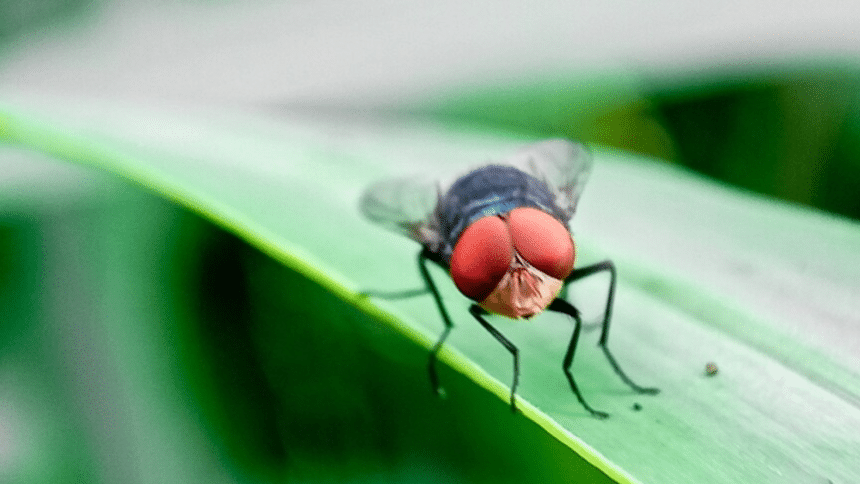
A flesh-eating pest that was eradicated from the U.S. 60 years ago has returned, but Mississippi Agriculture Commissioner Andy Gipson says the state’s food supply is safe.
The U.S. Department of Agriculture’s Animal and Plant Health Inspection Service confirmed that the New World screwworm was found in a calf in a Texas community just 50 miles away from the U.S.-Mexico border on Wednesday.

New World screwworms are known to lay eggs in open wounds, where the young hatch and feed on flesh as they grow. This feeding cycle can make wounds much worse, leading to infections and can even be fatal to hosts. But Gipson emphasizes that while these pests are invasive and destructive to livestock, they do not pose a threat to humans’ consumption of animal products.
“I want to ensure the public that the confirmation of the New World screwworm in South Texas poses no threat to food safety. The New World screwworm is an invasive pest, not an infectious disease. This is an animal health issue, not a food safety issue. Our meat supply is safe to eat,” Gipson said. “USDA is taking immediate action to contain and eradicate the NWS. We are closely monitoring the situation and staying in close contact with our partners at USDA and the Mississippi Board of Animal Health.”

Screwworms do not infest meat, fruits, vegetables, or other food sources. USDA’s Food Safety and Inspection Service ensures that the nation’s commercial supply of meat, poultry, and egg products is safe and properly labeled.
Under the Federal Meat Inspection Act, federal inspection personnel must assess all eligible animal species unless they are exempt or covered by a state inspection program. Any evidence of screwworm infestation in an animal would be identified during these inspections, and any contaminated product from an affected animal would not be allowed to enter the food supply.
If livestock or pets are suspected of being infected with New World screwworm, those with knowledge of the infection are urged to contact the Mississippi Board of Animal Health at (601) 359-1170 and their local veterinarian.
Officials say signs of the pest include draining or enlarging wounds and signs of discomfort. Also look for screwworm larvae (maggots) and eggs in or around body openings, such as the nose, ears, and genitalia, or the navel of newborn animals.