


Residents in southwest Mississippi will soon have an easier way to travel to some of their favorite out-of-state destinations.
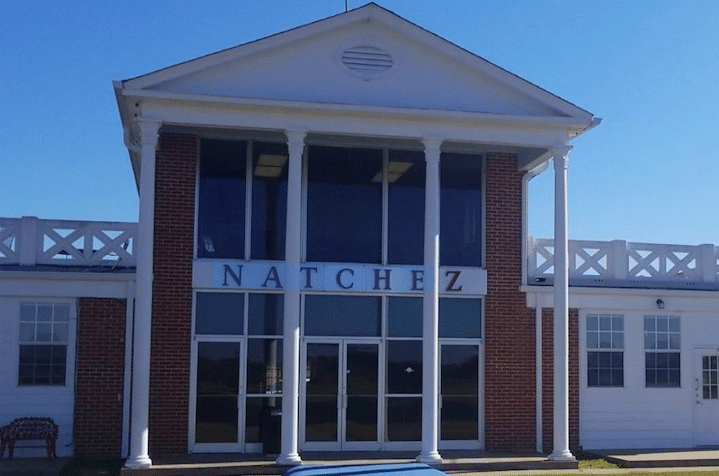
On Tuesday, officials cut a ceremonial ribbon signaling that commercial air services are returning to the area for the first time in 30 years. Beginning July 1, 2026, a daily United Express jet route will run from the Natchez-Adams County Airport to Houston’s George Bush Intercontinental Airport.

“Yes, we’ve had commercial air before, but never have we had jet service, and it is happening. It’s happening in Natchez. All thanks to SkyWest,” Mayor Dan Gibson said, crediting elected officials at the local, state, and federal levels for allocating the resources to bring the project to fruition.
According to officials, the new route will operate daily, using a 50-passenger CRJ200 jet aircraft, offering a flight time of less than 45 minutes to Houston. Passengers will go through full TSA screening in Natchez, allowing for smoother connections to other United flights in Houston without additional security checks.
The return of commercial air services to the area was jointly accomplished by the Adams County Board of Supervisors, the city of Natchez, the Natchez-Adams County Airport, SkyWest Airlines, and United Airlines. It follows several years of collaboration under the JET Natchez initiative, a program launched in 2021 to secure commercial air connectivity for Natchez and Adams County, the oldest city on the Mississippi River and the oldest county in Mississippi, respectively.
An independent catchment study projects more than 10,000 passengers during the first 12-18 months of service, as demand for increased travel options rises in Mississippi and neighboring Louisiana. The new flights are expected to drive tourism, industrial recruitment, and even film production.
There is also a campaign for American Cruise Lines, the country’s largest cruise line, to develop new Mississippi River itineraries beginning and ending in Adams County as early as the spring of 2028, with the new flight service serving as an enticement of sorts for the company to develop new routes.