


Oftentimes, when convicted individuals serve their time and leave incarceration, finding a job is one of the hardest parts of reentering society. A new study suggests Mississippi employers are broadly open to hiring formerly incarcerated individuals.
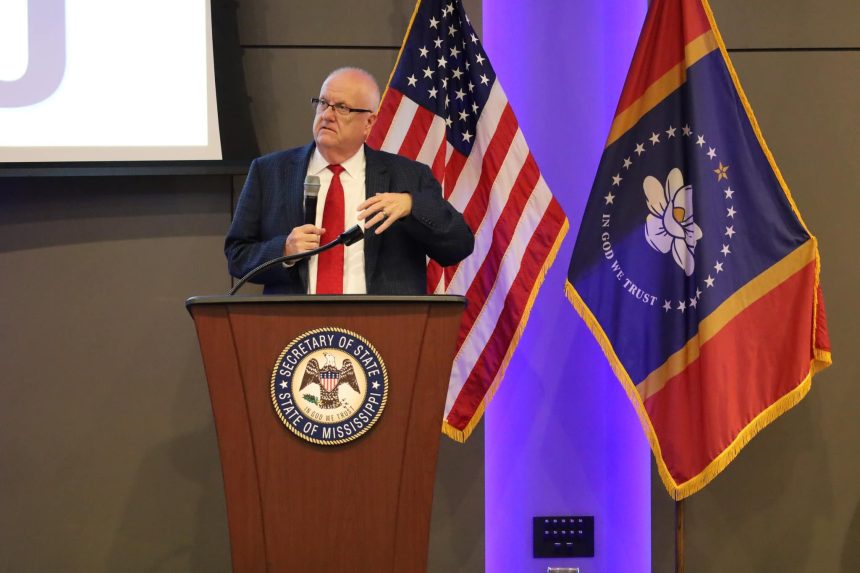
The “Fair Chance Hiring Study” was released Wednesday by the Mississippi Business Alliance (MSBA) Foundation and Magnolia Correctional Industries (MAGCOR). In it, a majority of Mississippi businesses of all sizes said they are willing to consider applicants with criminal records, often citing a belief that people deserve a second chance, while those who have previously hired people with criminal records often reported strong results.

Of those surveyed over a two-month period in late 2025, nearly 90% reported positive or at least somewhat positive outcomes from hiring people with a criminal record. For larger businesses – those with 250 employees or more – 98% said they were “very or somewhat” willing to hire formerly incarcerated individuals, and those same larger corporations reported the strongest overall outcomes.
The study also found that employers place strong emphasis on preparation, including job training, references, and interview performance. Researchers emphasized that “soft skills” such as communication, reliability, and work ethic were especially important in hiring decisions and should not be overlooked.
While willingness to hire was relatively widespread, the study identified significant differences in hiring structure based on company size. Large businesses were far more likely to have formal policies in place for hiring formerly incarcerated individuals. By contrast, companies with fewer than 50 employees rarely had established policies in place, despite often expressing openness to considering applicants.
Awareness of reentry programs and hiring incentives also varied sharply. Human resources professionals at larger companies reported relatively high awareness of government and nonprofit resources designed to support reentry employment, while small business owners and executives showed much lower awareness. Researchers said the gap represents a key opportunity for targeted outreach, particularly through MSBA channels and workforce development seminars.
MSBA is the result of a recent merger of the Mississippi Economic Council, Mississippi Manufacturers Association, and the Business and Industry Political Education Committee, and focuses on business policy advocacy, workforce development, and economic growth.
Scott Waller, president of the MSBA Foundation, believes the study highlights an opportunity for Mississippi to strengthen its workforce, which has historically faced challenges in labor force participation.
“Mississippi’s workforce challenges require us to expand and better align our talent pipeline,” Waller said. “This research shows that employers are willing, outcomes are strong, and with the right approach, fair chance hiring connects more Mississippians to meaningful work while strengthening our economy.”
Garrett McInnis and Martha Claire Bullen both work for MAGCOR, a nonprofit that provides work experience and training to incarcerated individuals. They agreed the study’s strategic action plan – including leveraging existing employer policies, expanding awareness, improving training and incentives, and centralizing resources – could help ease workforce shortages while improving reentry outcomes.
“This study confirms what we see every day – when individuals are prepared and supported, they can succeed in the workforce,” said McInnis, MAGCOR’s executive director. “By strengthening connections between employers, training programs, and reentry services, we can create more opportunities while helping meet Mississippi’s workforce needs.”
“Employment is often the first true vote of confidence someone received after incarceration,” added Bullen, MAGCOR’s chief reentry officer. “When employers choose fair chance hiring, they are choosing to believe in redemption, resilience, and the power of work to heal families and communities.”
The survey included 73 MSBA member businesses and 200 general business employers statewide. The full study and strategic action plan can be viewed here.