



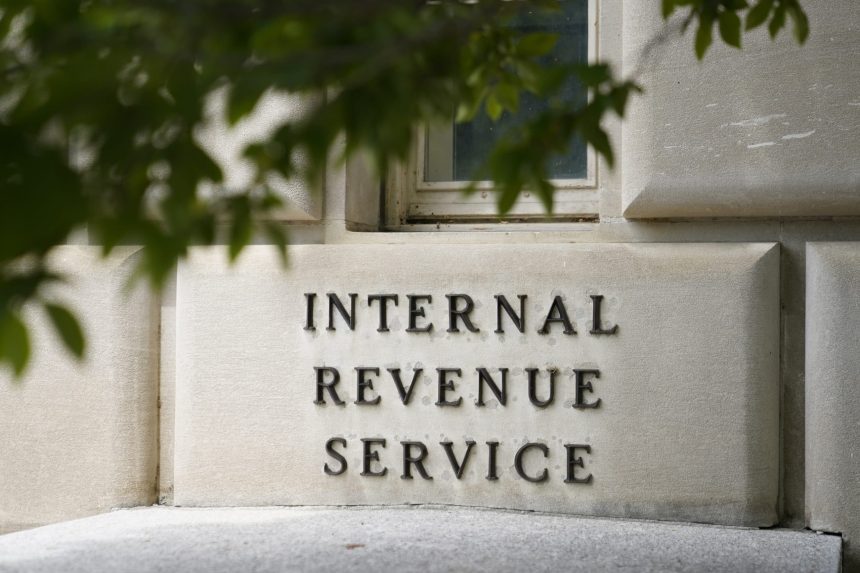
Mississippians will have extra time to file their federal taxes due to a winter storm that impacted much of the state in late January, the Internal Revenue Service announced Tuesday.
The IRS said in a news release that individuals and businesses in all 82 counties now have until June 8 to file returns and make payments. The standard deadline for taxpayers to file each year is April 15.

The extended deadline applies to a wide range of filings, including individual income tax returns, quarterly payroll tax returns, and certain business filings. Taxpayers will not face penalties as long as payments are made by the June 8 deadline.
In addition, penalties for payroll and excise tax deposits between Jan. 23 and Feb. 9 will be waived if those payments were made by Feb. 9, the agency said.
RELATED: FEMA OKs individual assistance fro 36 storm-affected Mississippi counties
The extension also applies to estimated tax payments and may affect the timeframe for claiming refunds under federal disaster tax relief provisions.
Beyond filing extensions, the IRS said Mississippians may also be eligible for additional relief, including the ability to claim disaster-related casualty losses on their tax returns or access certain retirement funds without typical early-withdrawal penalties.
Officials noted that taxpayers who receive late payment or filing notices for deadlines covered under the relief period should contact the IRS to have penalties removed.
Additional relief could be announced at a later date, the IRS said. As for state taxes, no extension had been announced by the Mississippi Department of Revenue as of Tuesday evening.
Winter Storm Fern impacted over half of Mississippi from Jan. 23-27, knocking down trees and power lines, leaving roughly 180,000 customers without power at its peak, and killing 29. As of late February, more than 12,000 insurance claims had been filed totaling over $107 million, according to the Mississippi Insurance Department.
Editor’s note: The IRS initially sent a press release stating relief would only be available to taxpayers in FEMA-designated areas before the agency later clarified that relief would be available in all 82 counties. This article has been updated to reflect the changes.